EARTHSEED DOME
San Francisco, CA | 2026
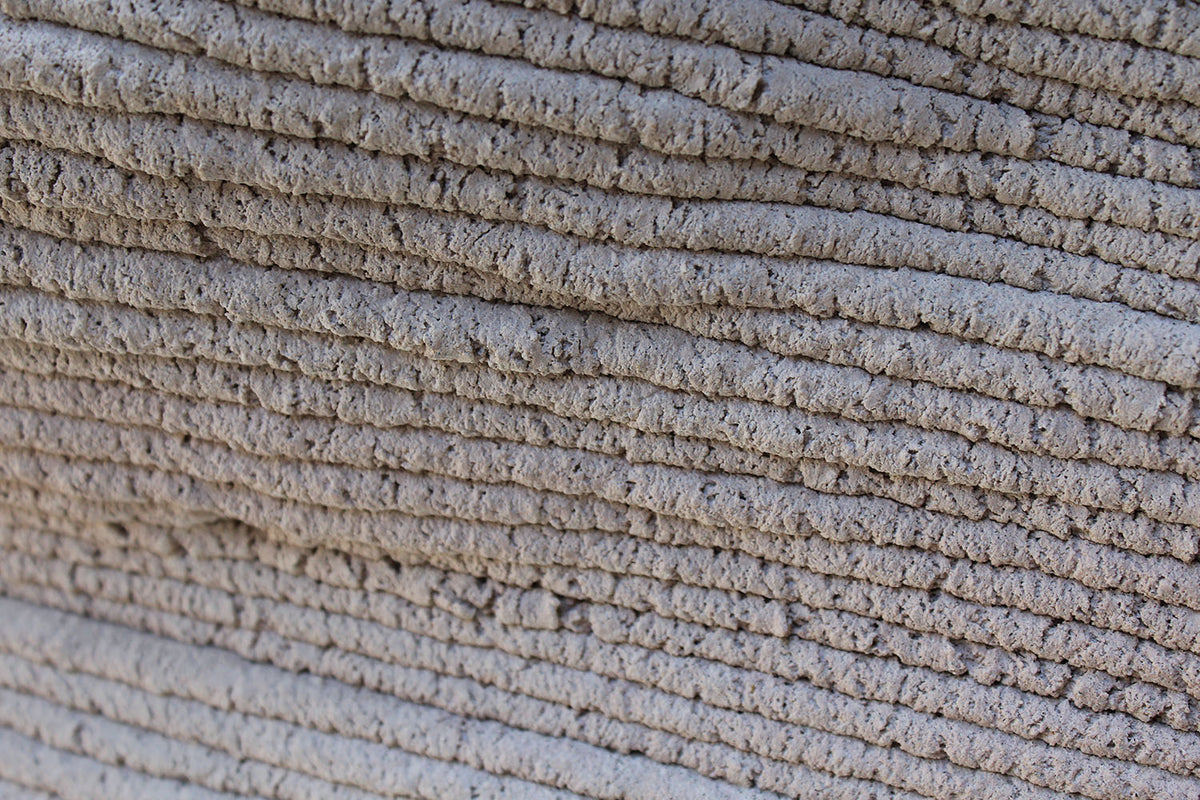
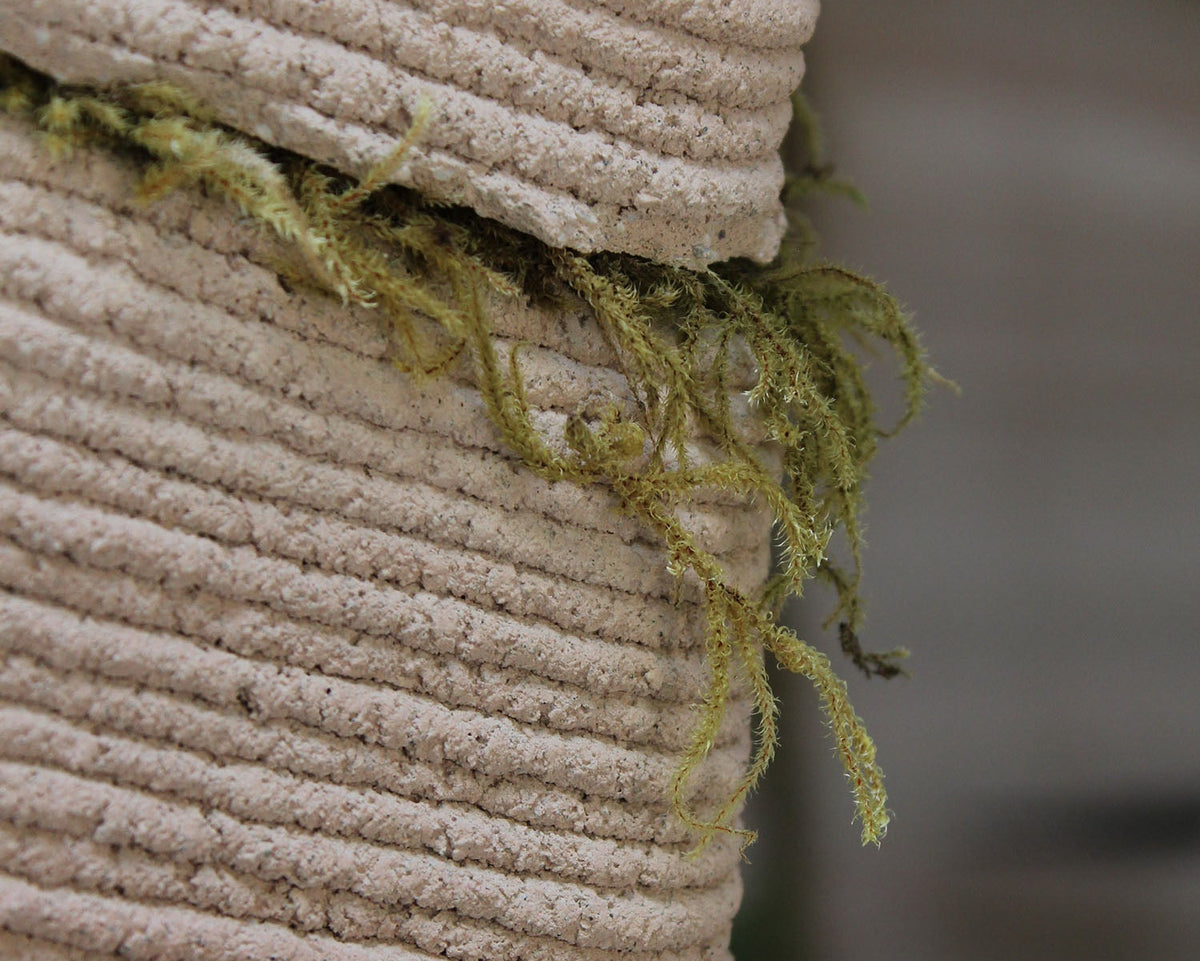
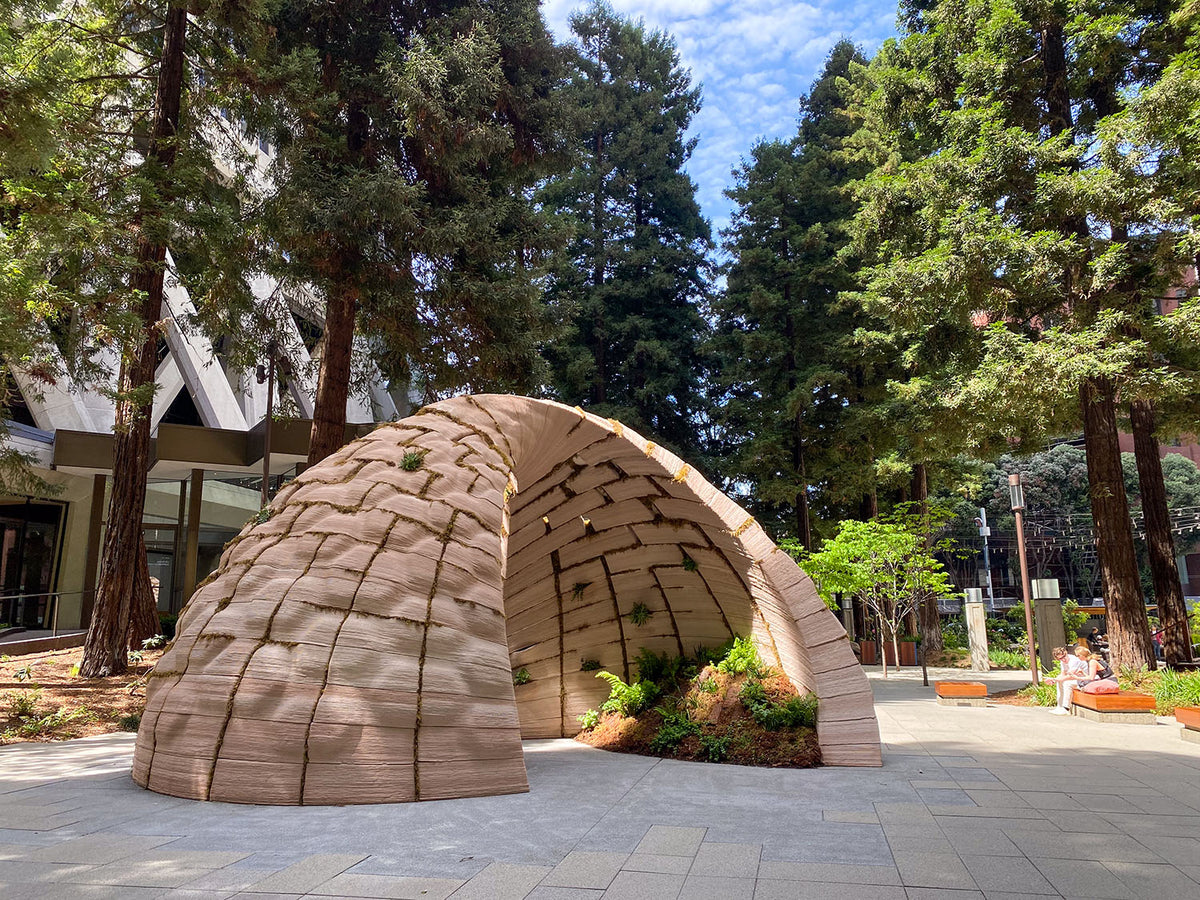
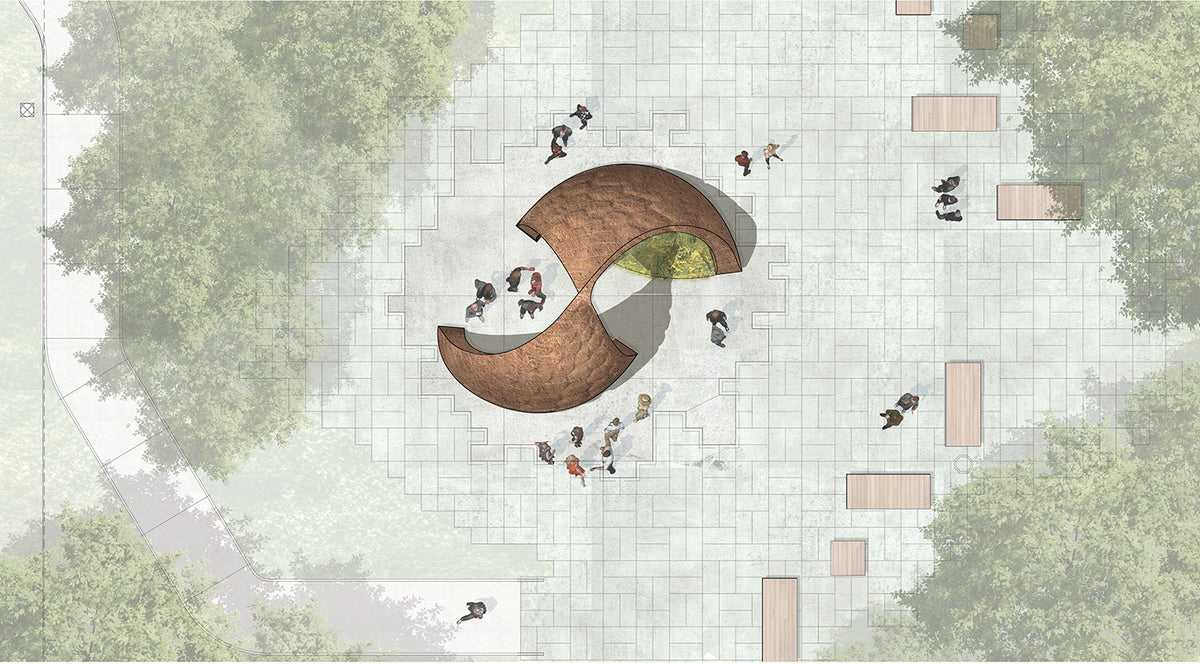
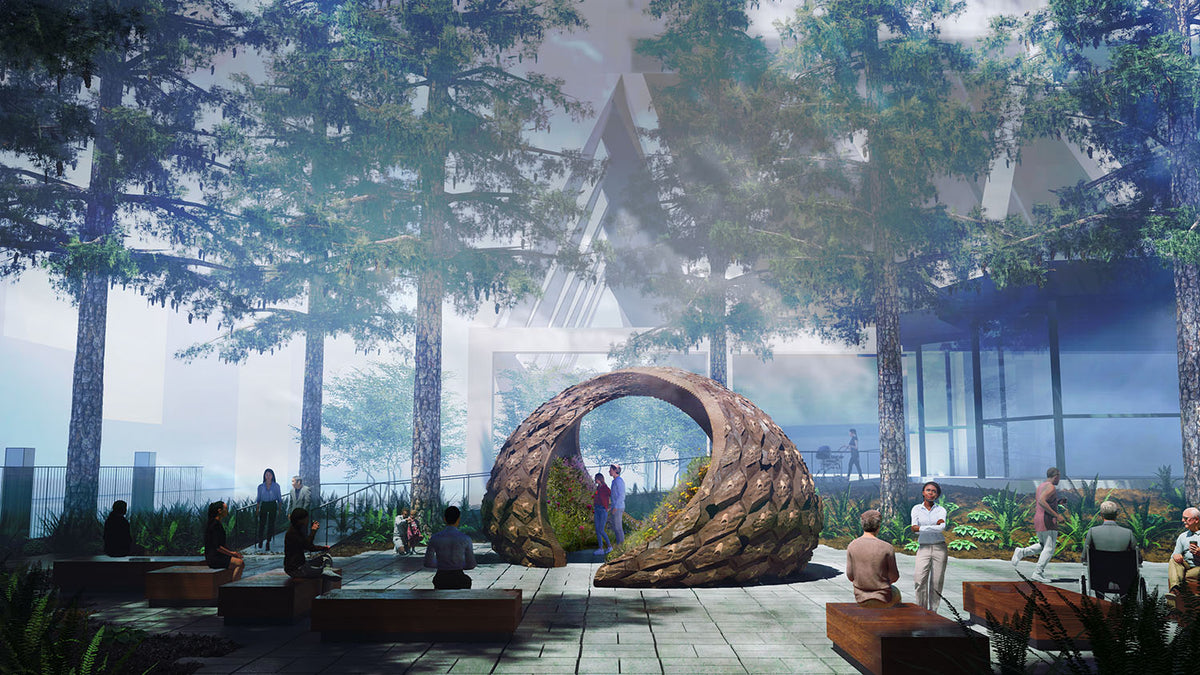
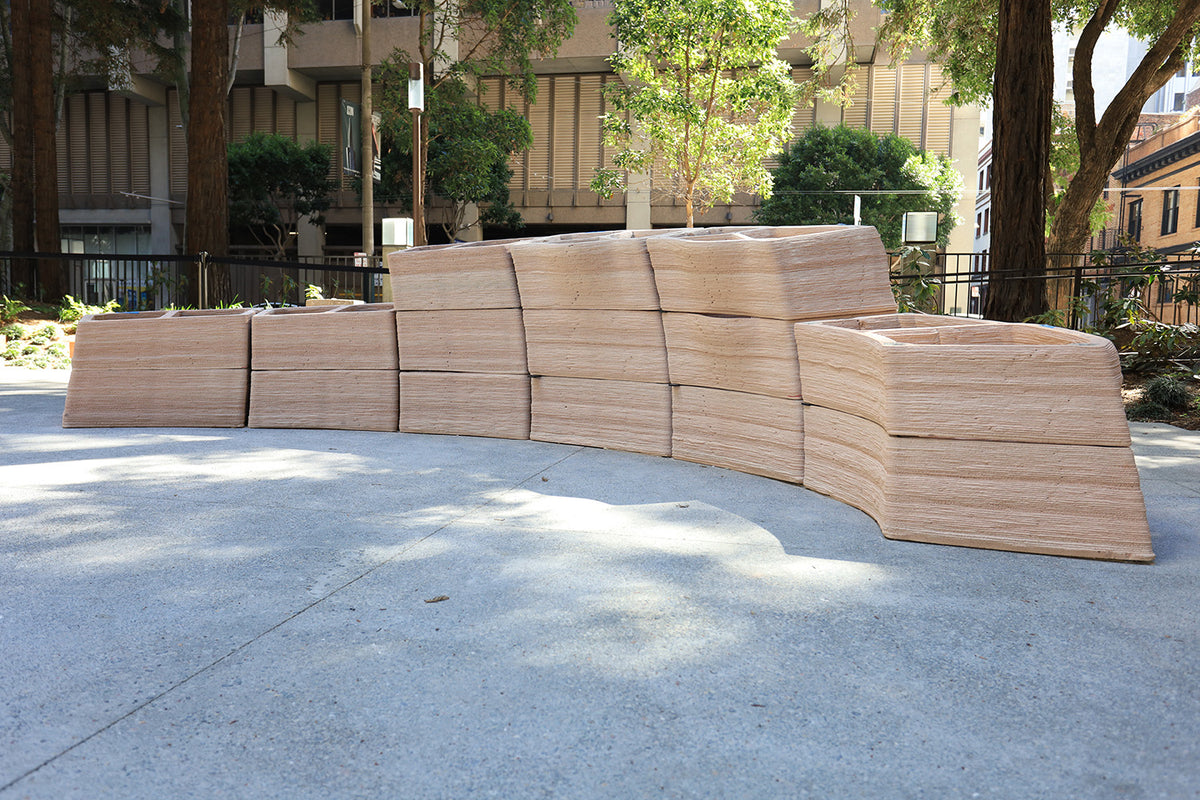
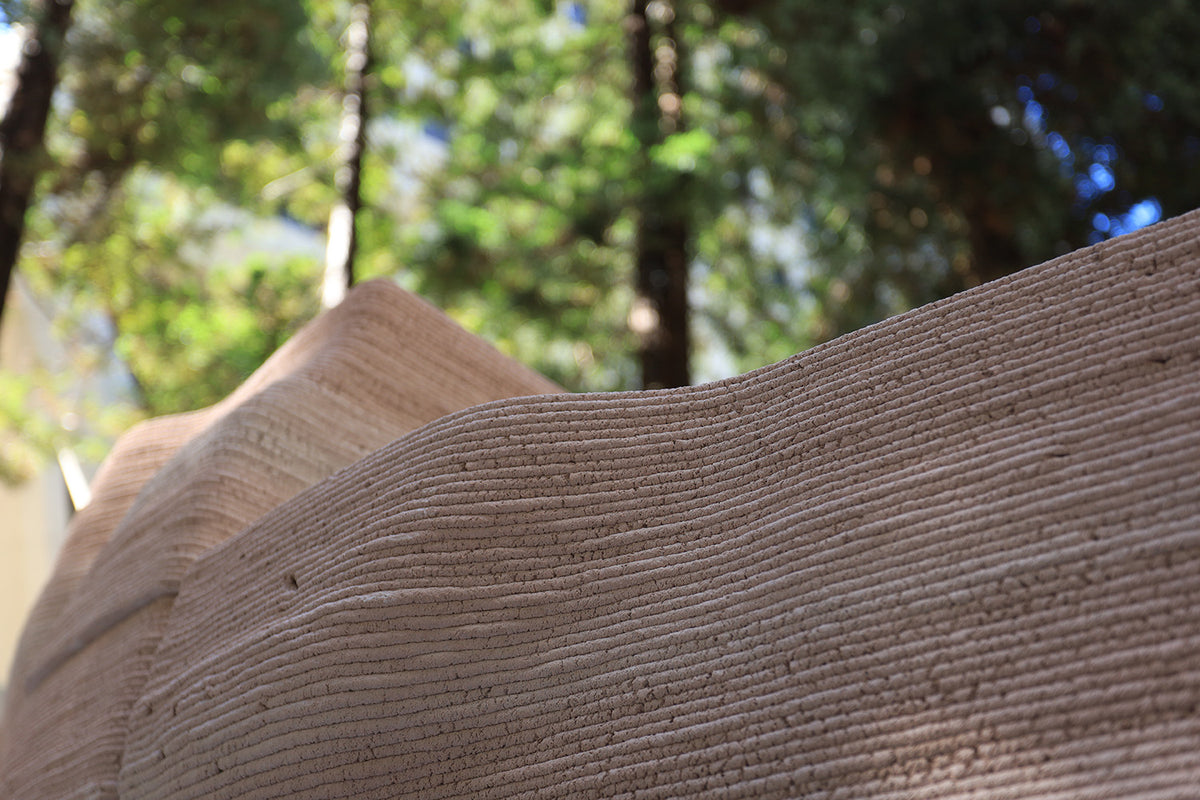
EARTHSEED DOME is a temporary, site-specific installation located in Transamerica Redwood Park in San Francisco. Composed of individually 3D-printed GeoMix blocks fabricated from recycled marble dust, limestone, and sand, the project merges ancestral earthen building traditions with advanced digital fabrication to explore new possibilities for regenerative architecture. The dome's interior is formed from 3D-printed seeded-soil blocks containing locally sources materials including compost, clay, native seeds, and organic materials, transforming the structure into a living organism that will evolve as vegetation germinates and grows over time.
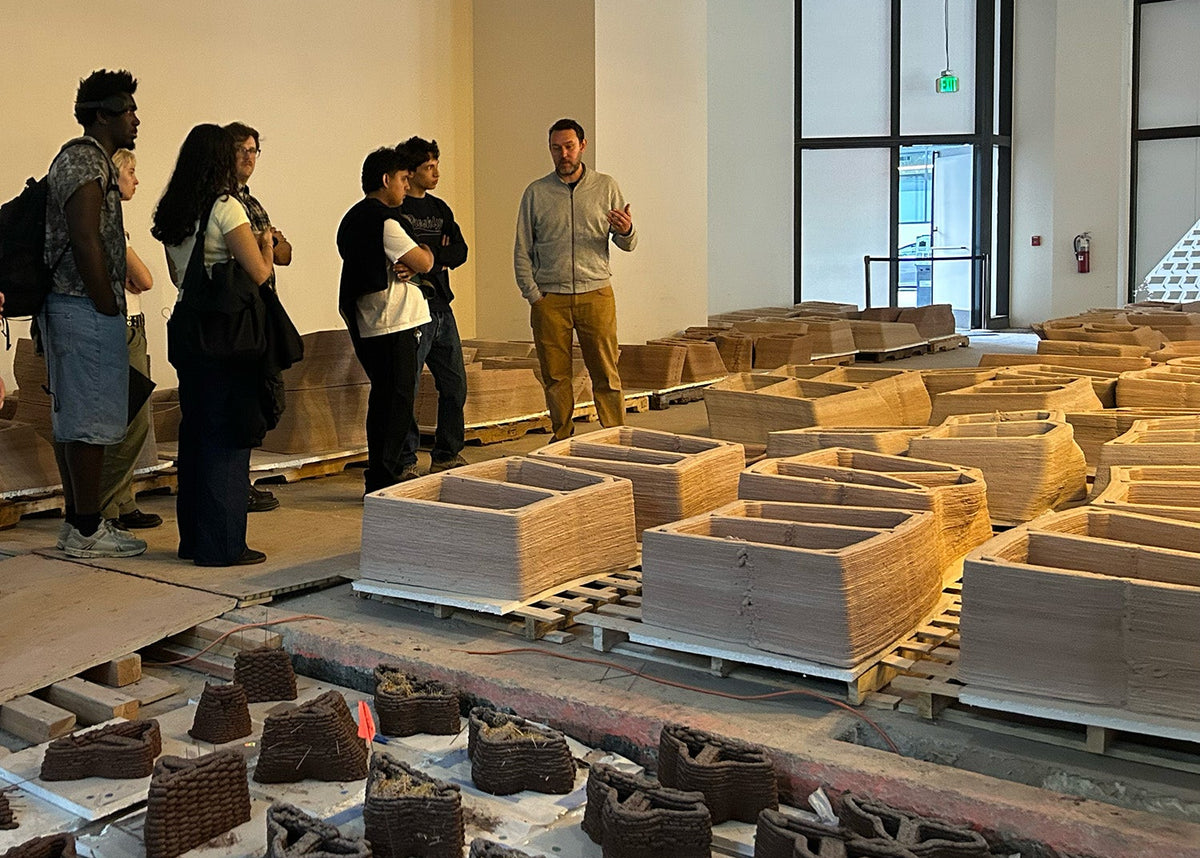
Printed on-site in full public view, the project invited visitors to witness the fabrication process as it unfolded.
The installation functions as a living habitat and seed-dispersal hub, encouraging visitors to become active participants in urban ecological restoration. Representing one of the first large-scale applications of this material and fabrication process in the United States, the project demonstrates the potential of digital fabrication to create resilient, biologically integrated public spaces.
Collaborators
Artist:Lily Kwong
Curator: ICA San Francisco
Fabrication: Atelio + WASP 3D
Rendering & Visuals: Landworks Studio
Structural Engineer: Endres Studio
Installation: Ground Cover
Plantings & Maintenance: Habitat Horticulture
Seed Packets: Altadena Seed Library
Support: Svane Foundation
Photography: Kaitlyn Soares Abbott


Design process
EARTHSEED DOME was the result of a multidisciplinary collaboration between botanical artist Lily Kwong, the Institute of Contemporary Art San Francisco, Atelio, and WASP 3D. Blending ecological design, digital fabrication, and ancestral earthen building techniques, the project evolved through months of research, prototyping, material testing, and full-scale fabrication. Fabrication was intentionally placed on public display, offering visitors a rare glimpse into the iterative process of making. Rather than encountering a finished artwork, the community experienced the complexity of testing, problem-solving, and collaboration required to realize the installation.
01 Concept
Working closely with Lily Kwong and ICA San Francisco, the team developed a vision for a living, 3D-printed structure that would merge regenerative landscapes with advanced digital fabrication.
02 Prototyping
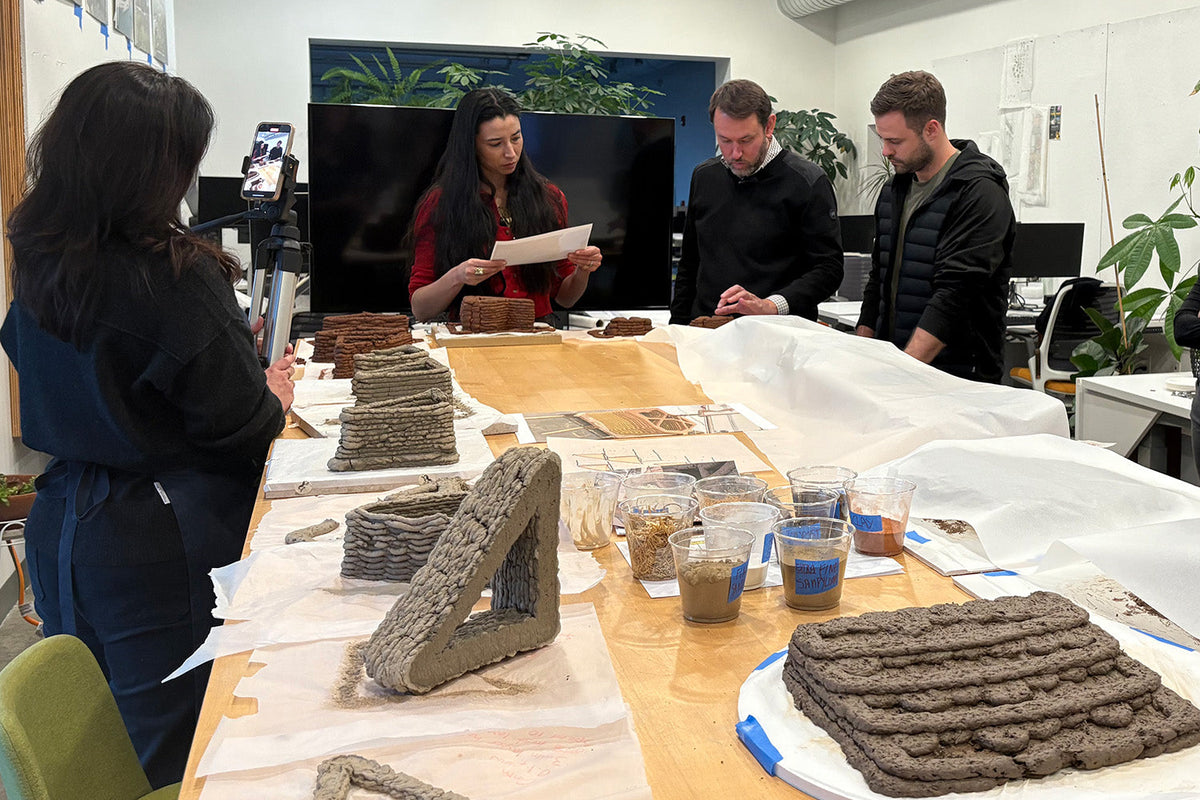
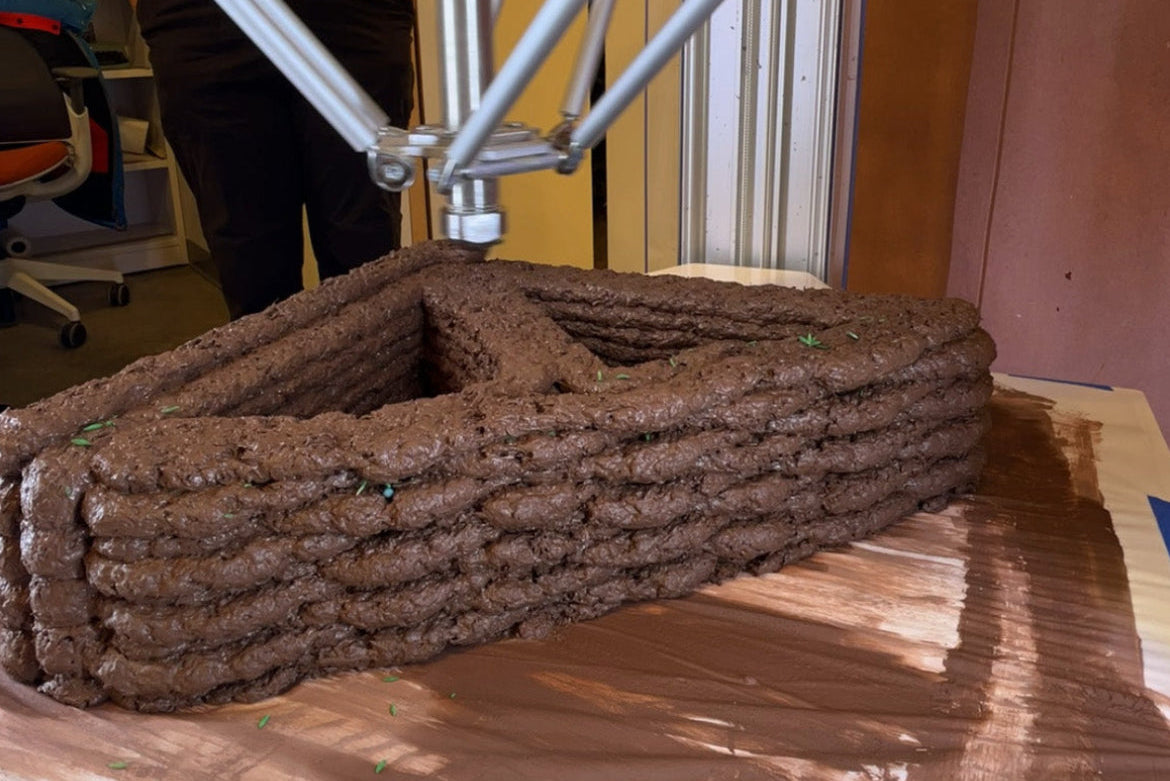
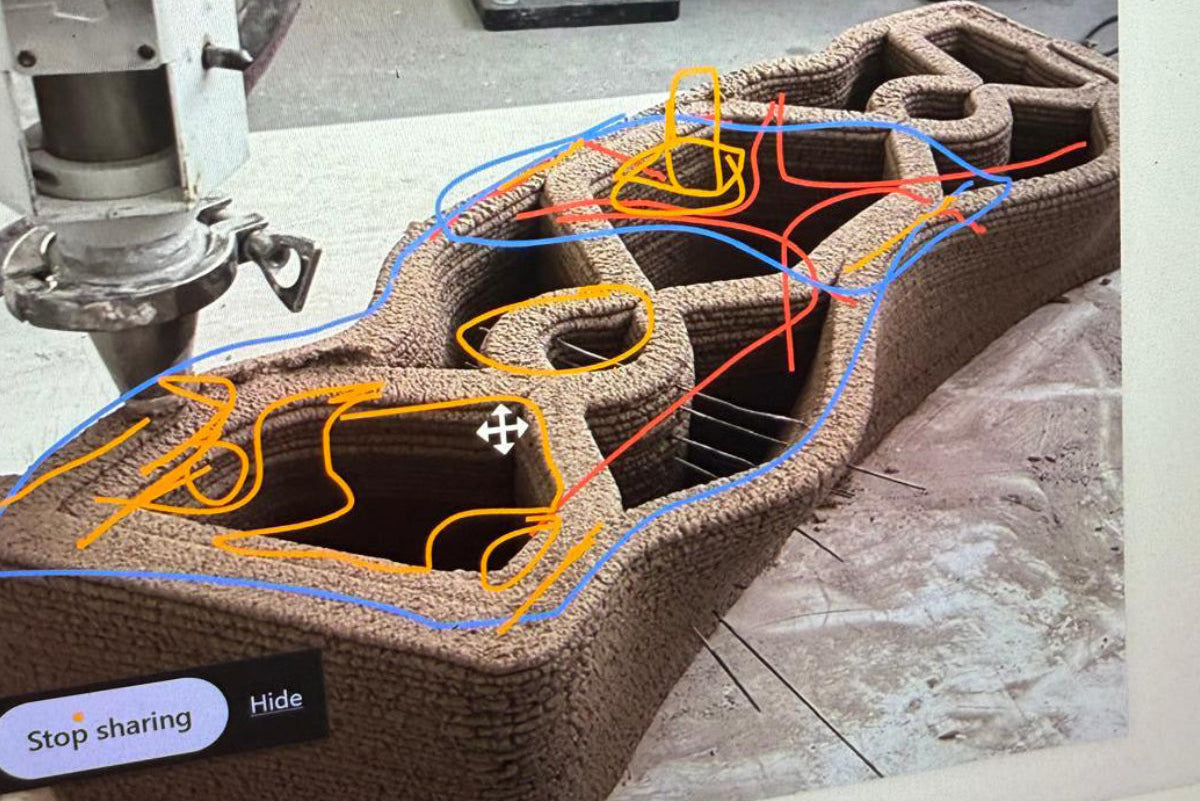
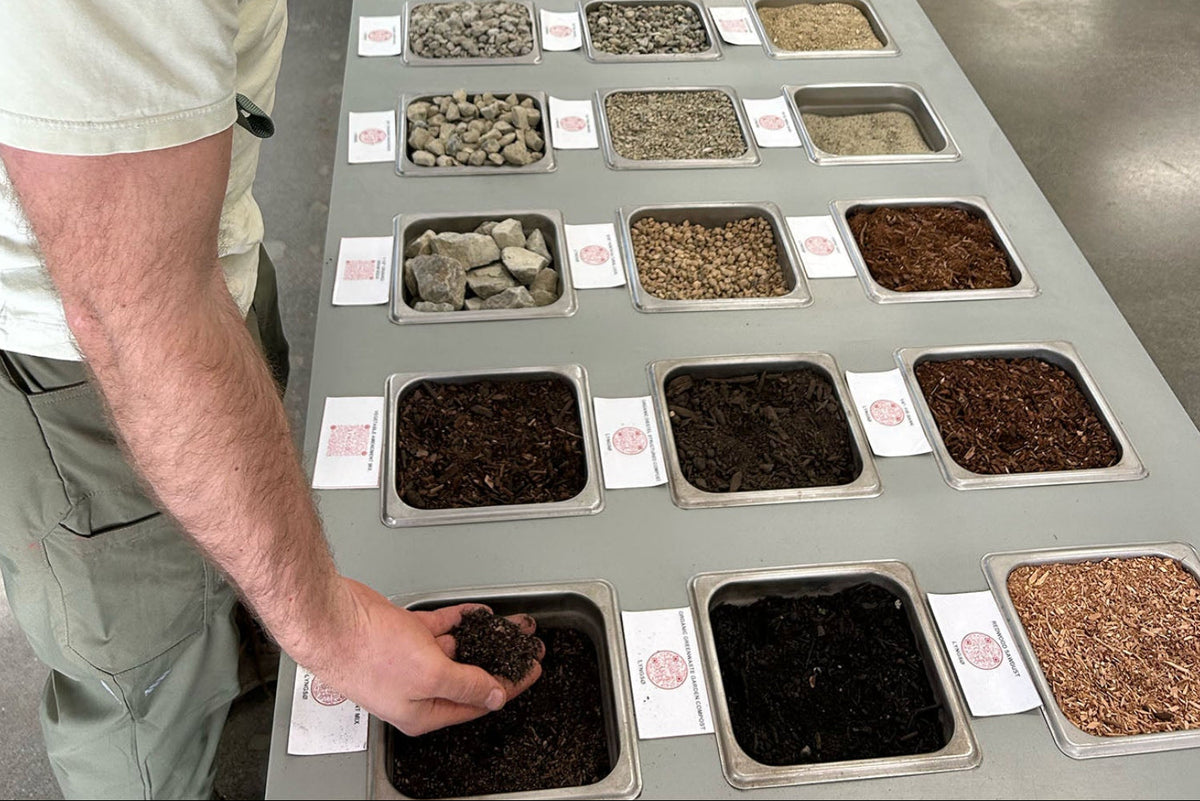
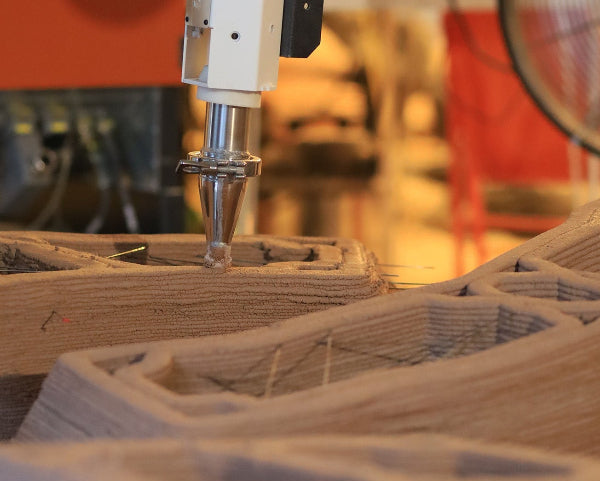
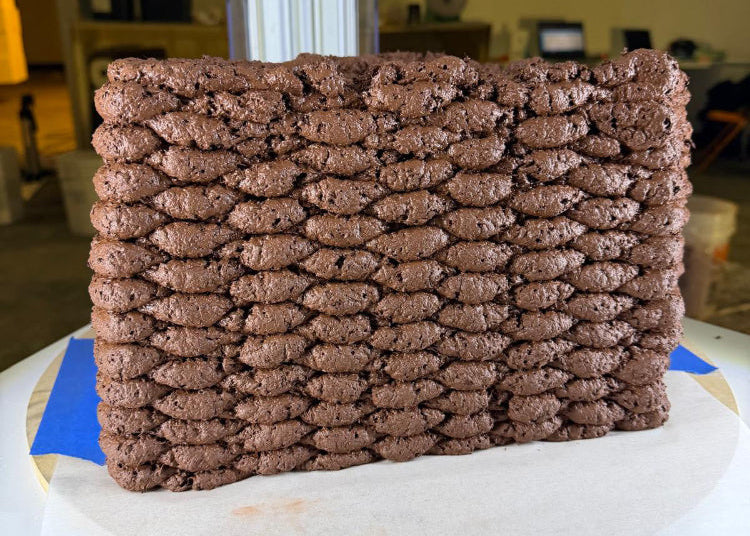
Material testing began at Atelio's studio in Salem, Massachusetts, where numerous seeded-soil mixtures were developed and refined for large-scale 3D printing. Additional testing on site in San Francisco was required to adapt the mix using locally sourced California materials.
03 Fabrication
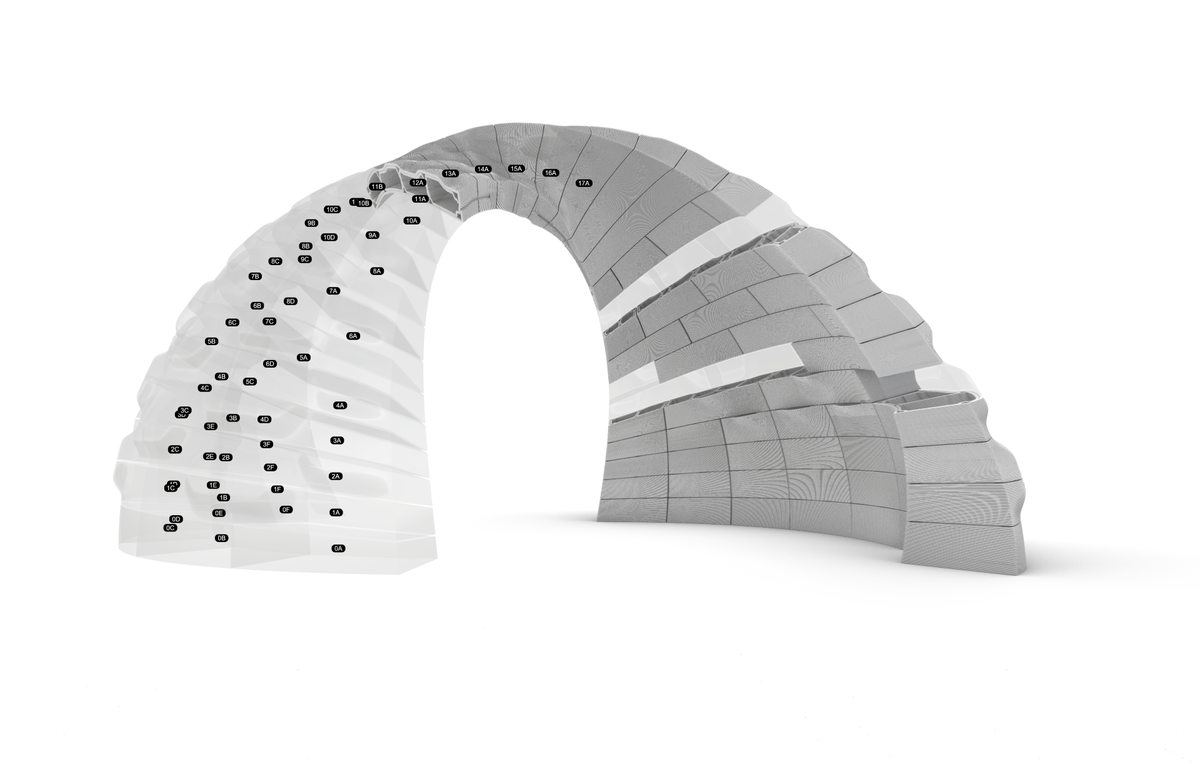
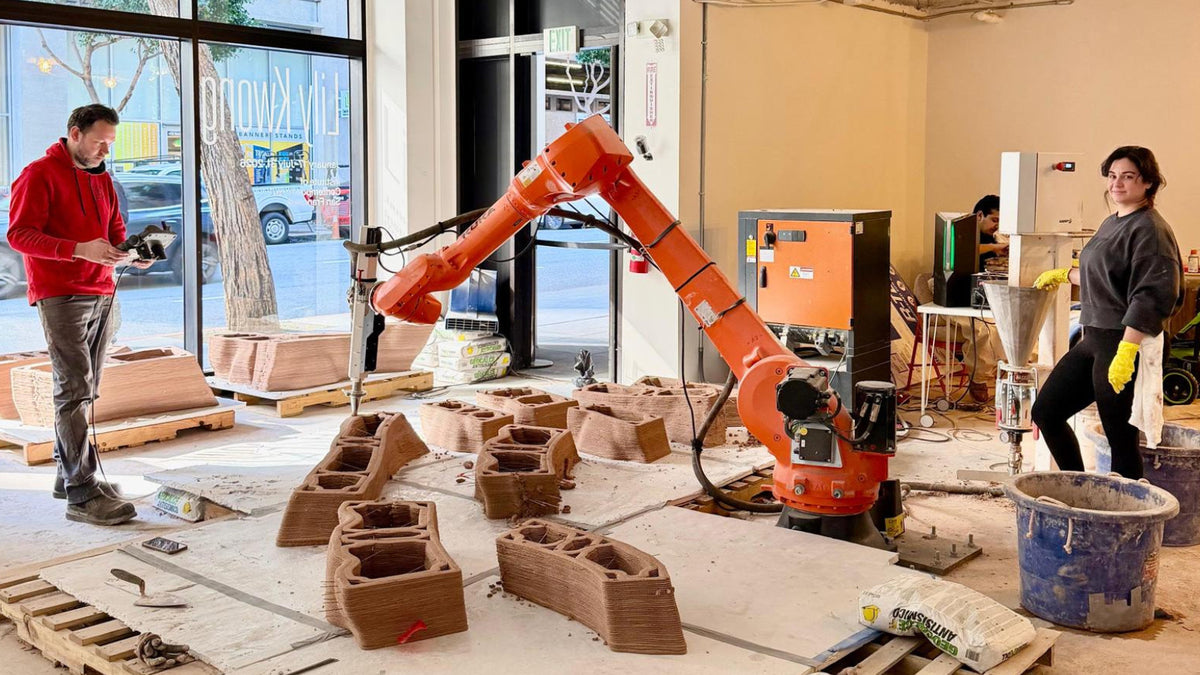
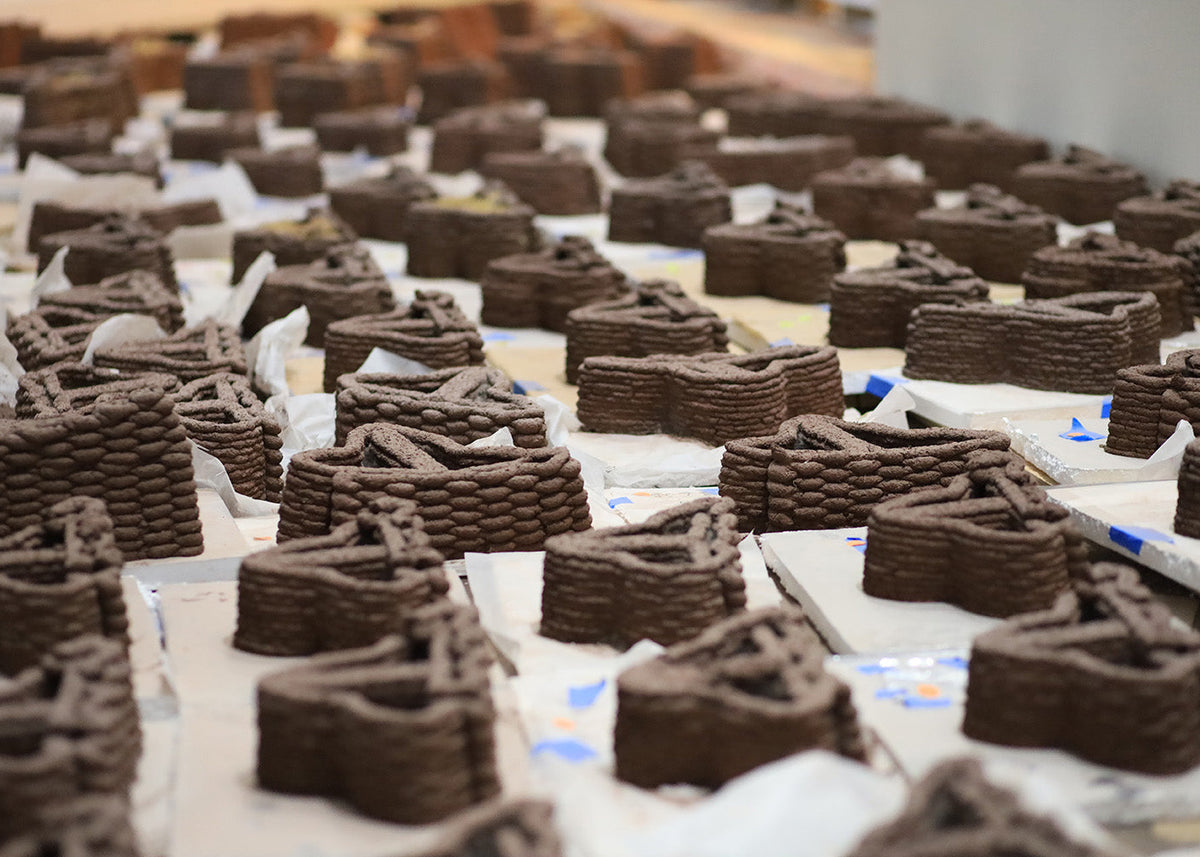
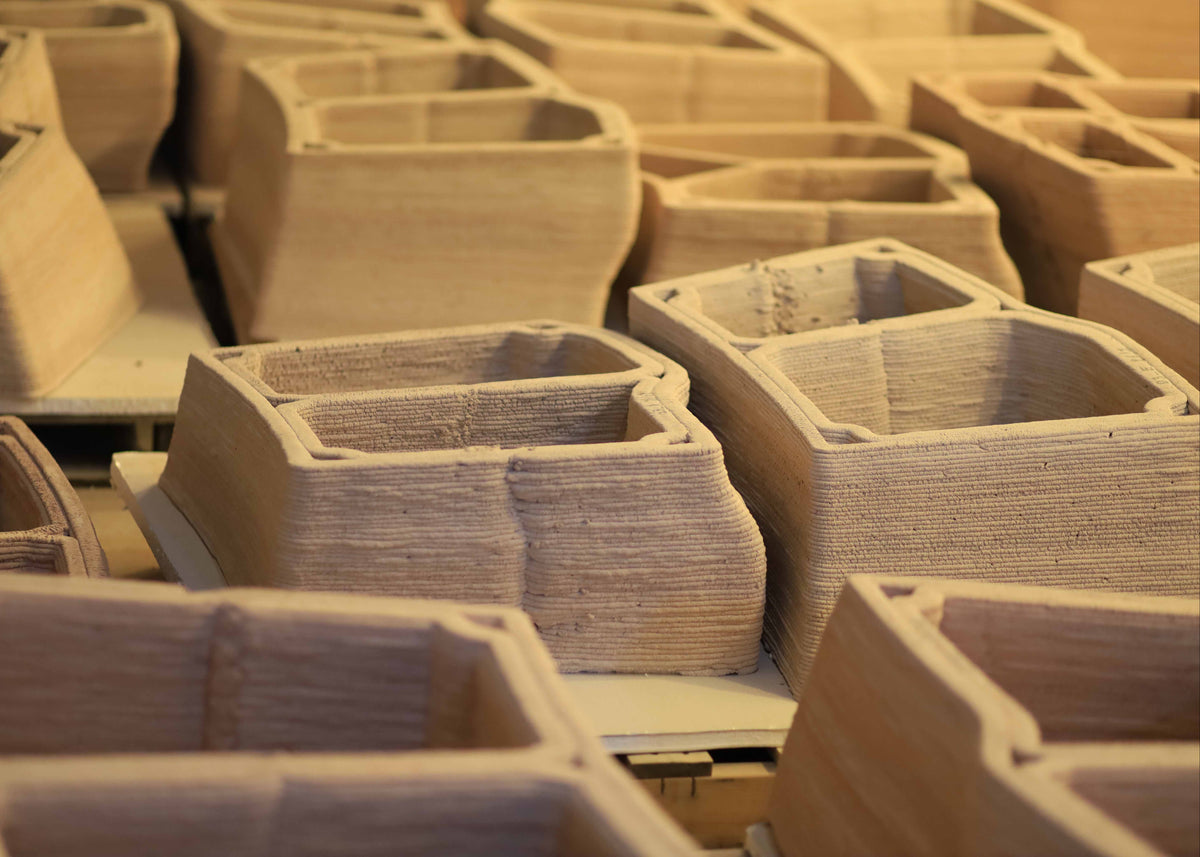
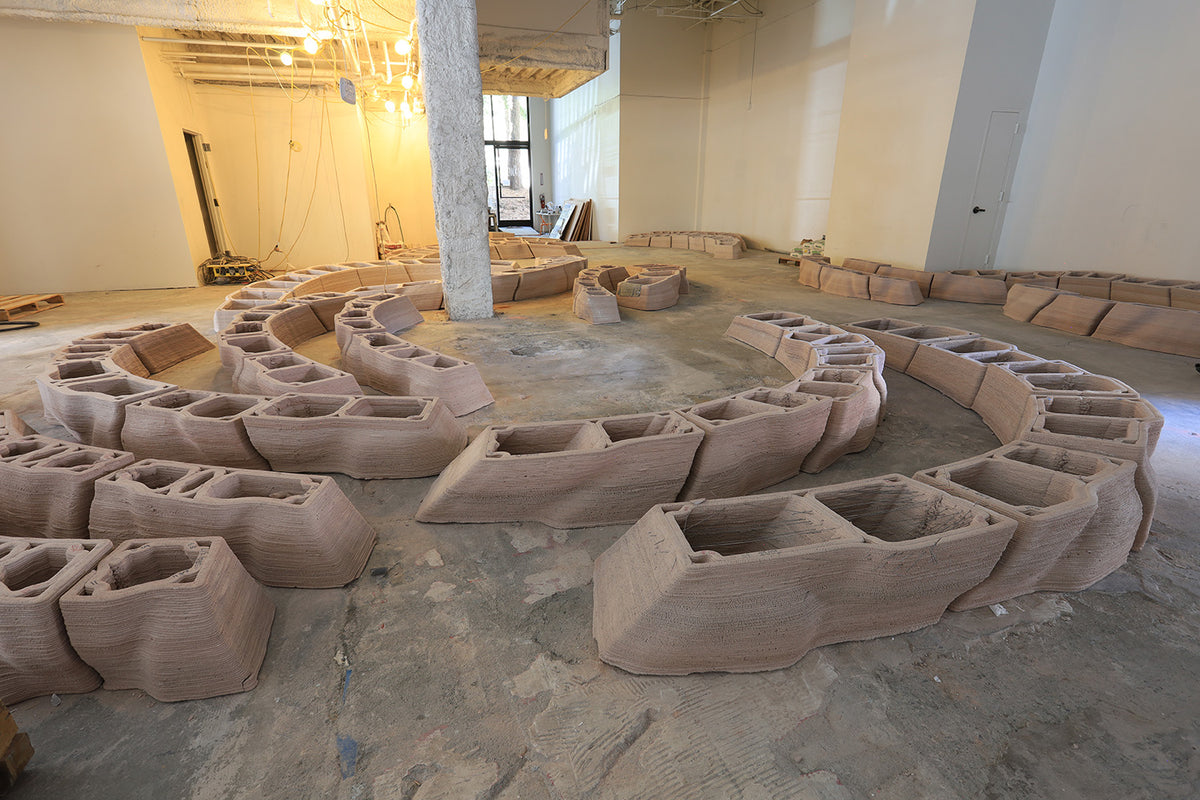
Over four weeks, more than one hundred GeoMix blocks and 100 seeded-soil blocks for the interior moudns were 3D printed in a public storefront at the Transamerica Pyramid. Visitors were invited to observe the process as it unfolded, offering a rare behind-the-scenes look at the iterative nature of large-scale digital fabrication.
The installation became a collaborative effort beyond the project team. Local volunteers, students, design professionals, and members of the surrounding community (shout our to Neal), contributed countless hours mixing materials, inventorying pieces, and supporting daily production. Their enthusiasm transformed the fabrication space into an active place of learning, conversation, and shared making.
04 Assembly
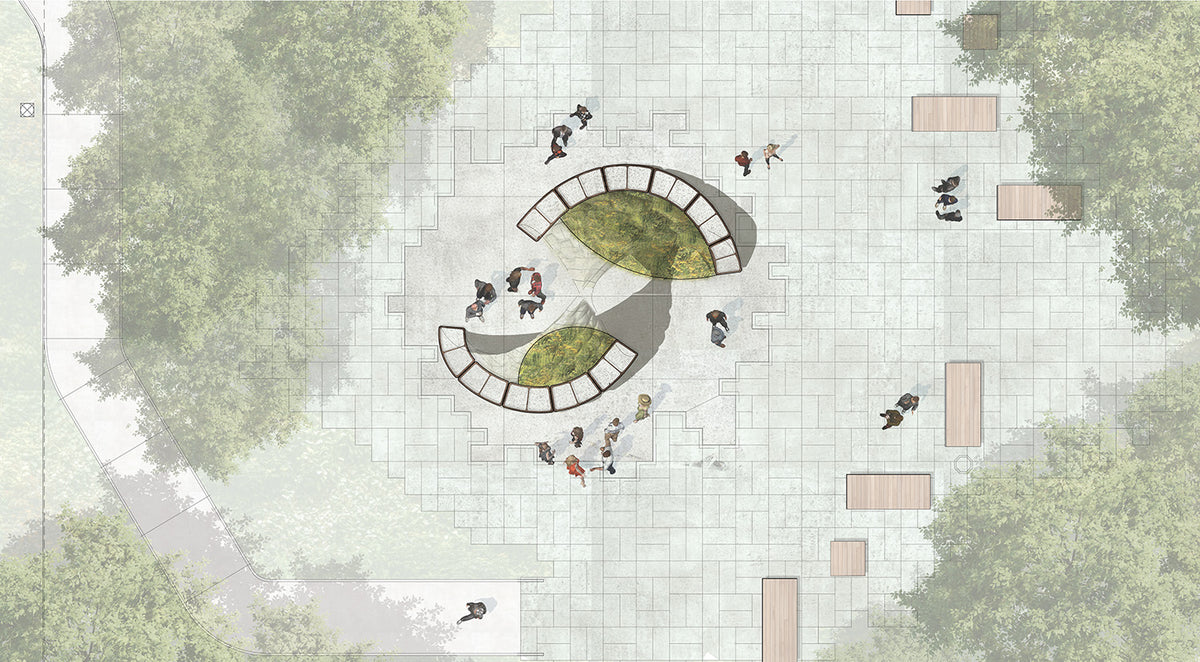
Once complete, each individually printed GeoMix block was transported to Transamerica Redwood Park and assembled into the dome's structural shell. The seeded-soil mounds were then installed within the structure, creating a living landscape designed to evolve as native vegetation germinates over time.
05 Final object
The completed installation functions as a public artwork, ecological infrastructure, and seed dispersal hub. EARTHSEED DOME demonstrates how emerging fabrication technologies can be paired with natural materials and living systems to create meaningful public experiences rooted in ecologically.